Double your
RNG yield .
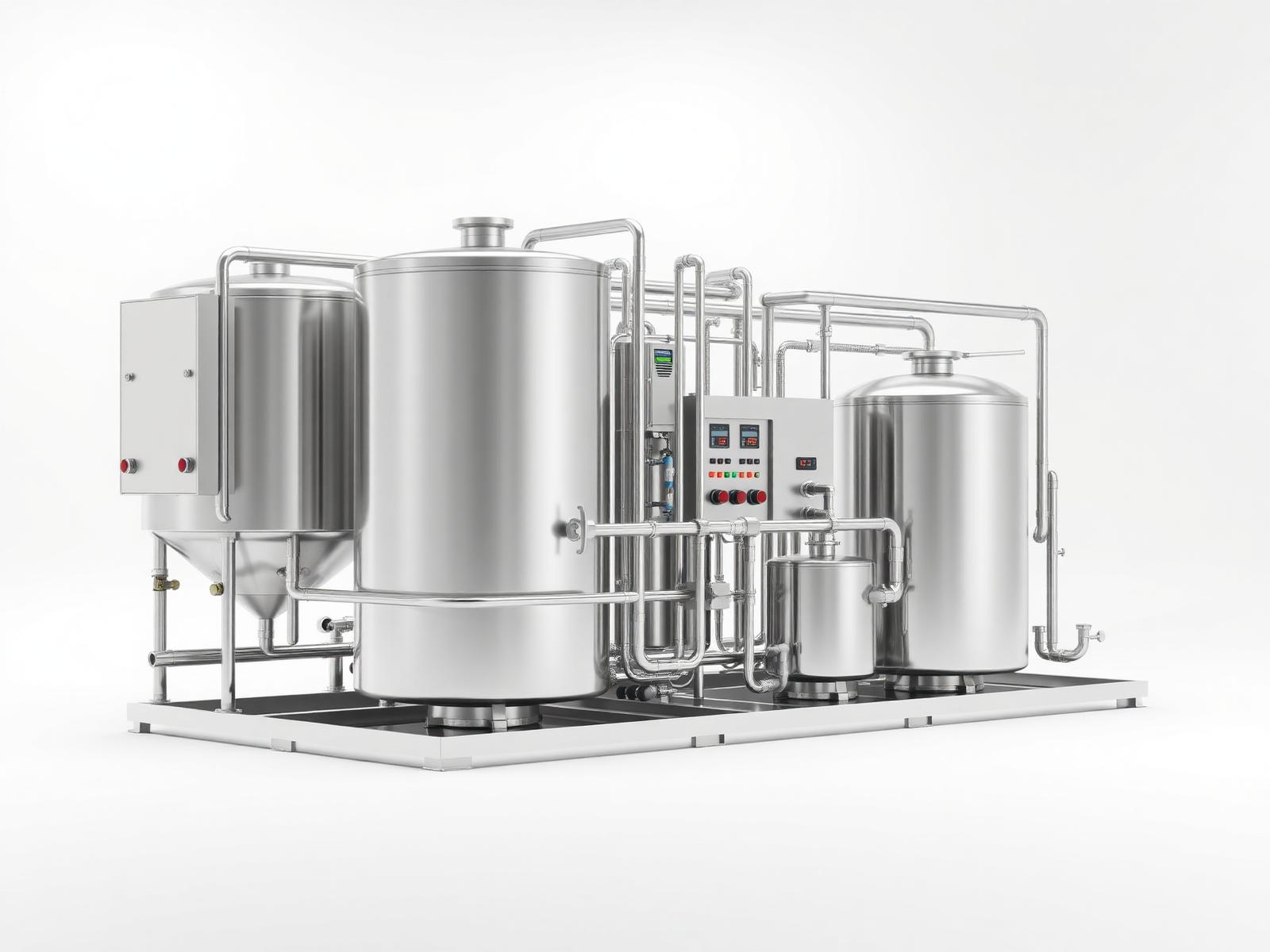
The RNG Accelerator rapidly converts organic waste into acetate — the primary substrate methanogenic bacteria use to produce methane — before it enters your anaerobic digester.
WASTE PROCESSING

Organic waste is abundant. Methane production is slow.
Anaerobic digesters convert organic waste into methane, but the underlying biology is slow. Capacities are limited by fermentation rates, and long retention times.
Most attempts to improve performance focus on what happens inside the digester — modifying microbial cultures, temperatures, or mixing. The biology rarely cooperates, and gains are marginal.
Vertogen takes a different approach: optimize the feedstock before it ever reaches the digester.
The RNG Accelerator - upstream of digestion.
Our proprietary pre-treatment rapidly converts complex organic matter into acetate. Acetate is the primary fuel methanogenic bacteria use to produce methane.
Measurable gains on existing infrastructure.
Applied as a pre-treatment to conventional anaerobic digesters, the RNG Accelerator delivers quantified improvements in yield, throughput, and operating economics.
Sensor-driven automation, tuned to your feedstock.
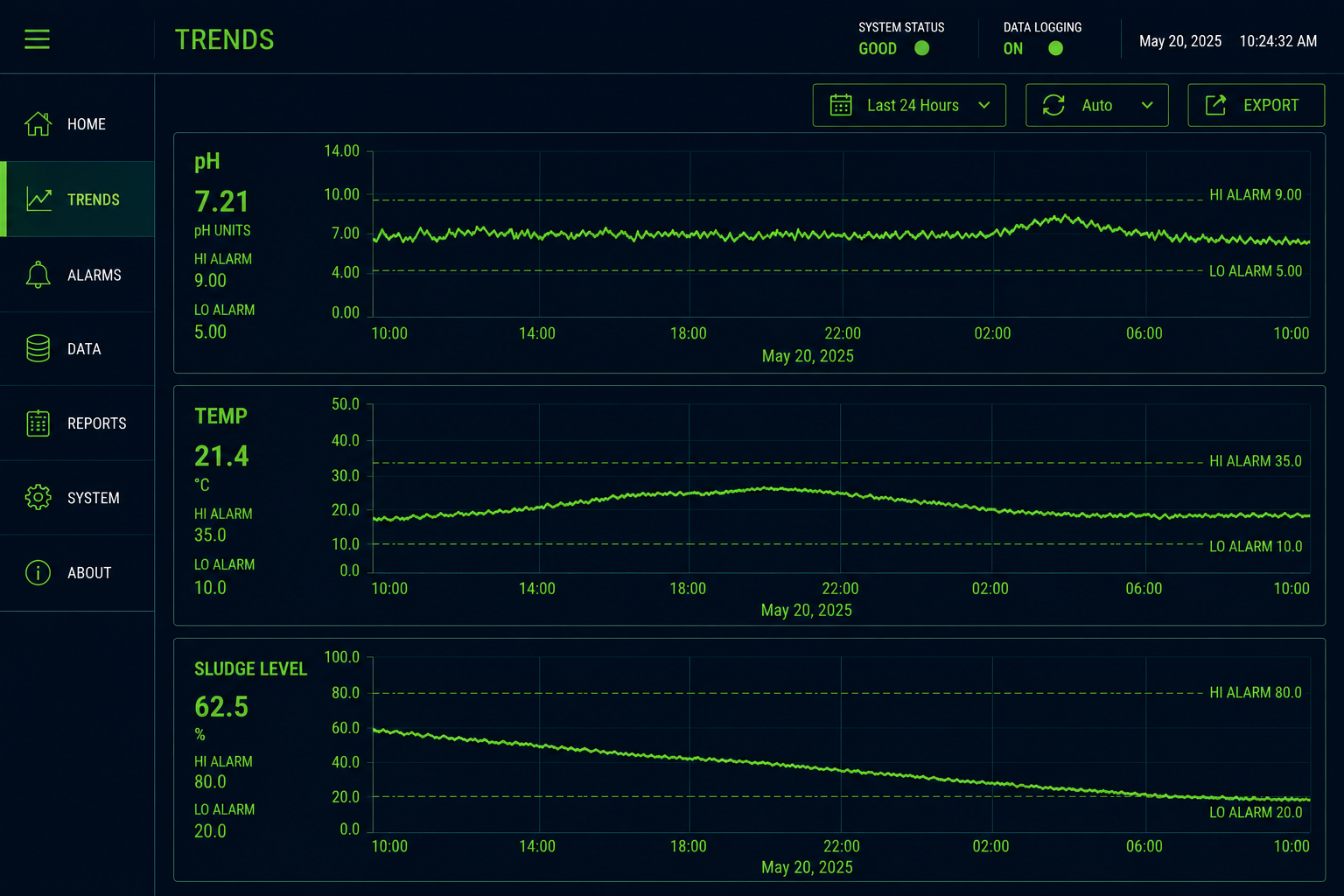
Vertogen's proprietary control system uses real-time sensors and analytics to continuously optimize the RNG Accelerator for different organic waste streams — improving efficiency and reducing the need for constant operator attention.
- Continuous reactor monitoring
- Automated residence time-control
- Remote diagnostics and operator dashboards
- Adaptive control for variable feedstocks
Built for organizations processing organic waste.
The RNG Accelerator integrates upstream of conventional anaerobic digestion across municipal, agricultural, and industrial sectors.
Municipal wastewater
Processing primary sludge and secondary biomass.
Agricultural waste
Manure and crop residues.
Food waste
Restaurant, grocery, and domestic.
Industrial organic waste
Food processing & beverage
Mining
Acetate for biological treatment
Existing AD facilities
Retrofit upstream of an operating digester — no need to modify chemistry or biology.
Pre-digestion, not in-digestion.
Most methane-yield improvements try to modify what happens inside the digester. We shift the process upstream — making the entire process faster, more efficient, and dynamically controllable.
- — Slow biological adaptation
- — Sensitive to feedstock variation
- — Long retention times
- — Marginal yield improvements
- + Direct acetate production upstream
- + Real-time control across feedstocks
- + Increase in waste processing
- + Up to 200% total methane output
Ready to upgrade your digestion infrastructure?
Discuss feedstock, throughput targets, and applications with us.
Request a call